Introduction:
In recent years, the pharmaceutical industry has witnessed significant advancements in digital technology, transforming various aspects of the sales and marketing landscape. From virtual meetings to digital marketing campaigns, these innovations have reshaped the way pharmaceutical companies interact with healthcare professionals and patients. However, a critical question remains: has digital transformation reached the last mile of pharmaceutical sales? In this blog post, we will explore the impact of digital transformation on the final stages of the pharmaceutical sales process.
Virtual Engagement and Detailing:
Digital transformation has revolutionized the way pharmaceutical representatives engage with healthcare professionals during the last mile of sales. Virtual meetings and remote detailing have become increasingly prevalent, enabling representatives to connect with physicians and other key decision-makers conveniently and efficiently. Through webinars, video conferences, and interactive platforms, pharmaceutical companies can present product information, share clinical data, and address queries without the need for in-person visits. This virtual engagement improves accessibility, saves time and resources, and allows for a broader reach across geographically dispersed markets.
E-Detailing and Multichannel Communication:
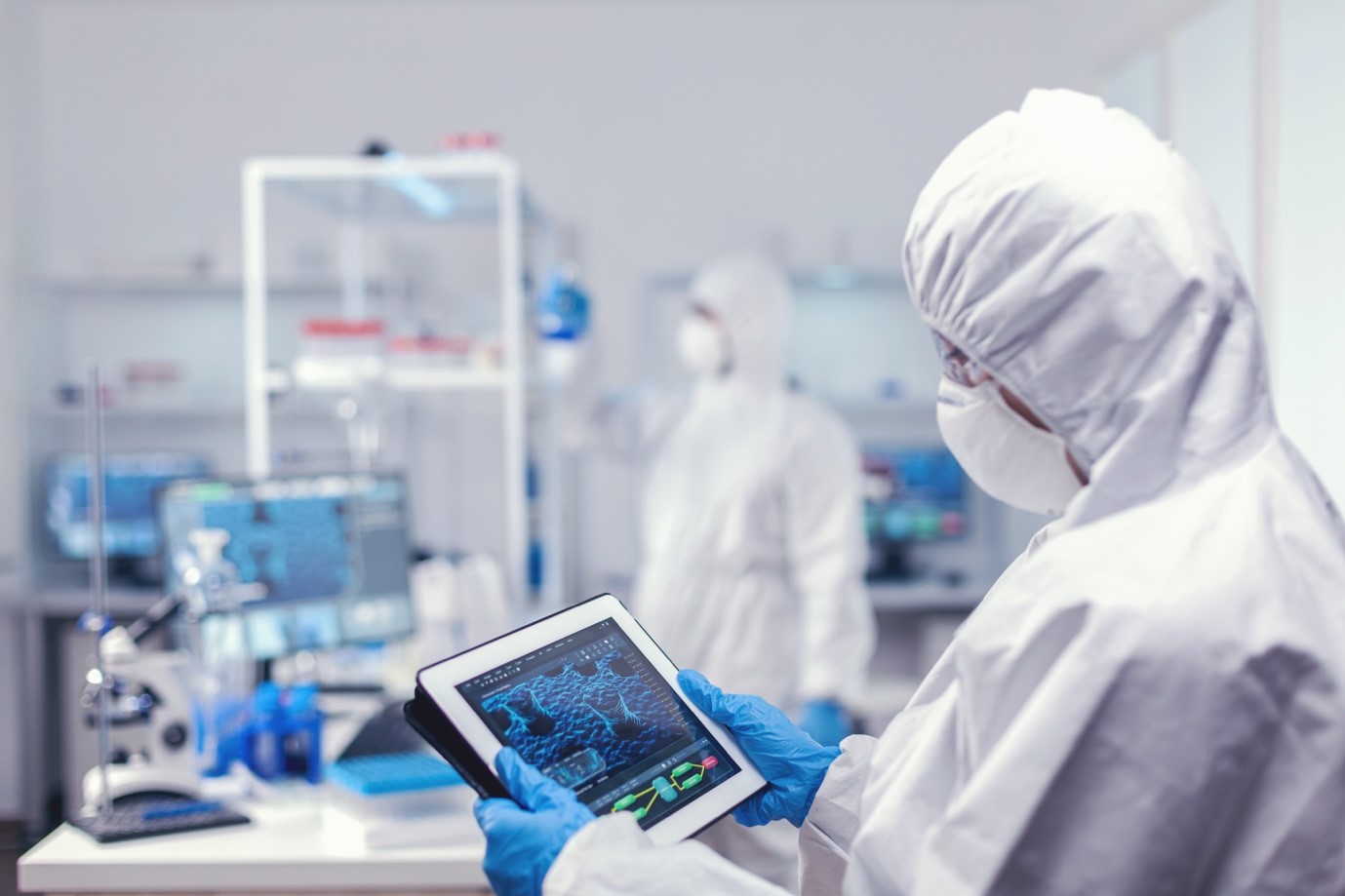
E-detailing, or electronic detailing, is a digital approach that replaces traditional paper-based detailing materials. Utilizing tablets, smartphones, or other mobile devices, pharmaceutical representatives can provide interactive presentations, product demonstrations, and educational resources directly to healthcare professionals. E-detailing allows for personalized and dynamic content delivery tailored to the specific needs of each healthcare professional. Moreover, multichannel communication strategies encompassing emails, social media, and messaging platforms facilitate ongoing engagement, follow-ups, and information exchange throughout the sales process.
Data Analytics and Insights:
Digital transformation in pharmaceutical sales brings forth immense opportunities to gather and analyze data, providing valuable insights for decision-making. By leveraging data analytics tools, pharmaceutical companies can monitor customer preferences, track engagement levels, and measure the effectiveness of their digital sales strategies. These insights enable sales teams to optimize their approach, refine messaging, and tailor interactions to maximize impact. Furthermore, data-driven analytics can help identify market trends, competitor strategies, and areas for potential growth, leading to more informed sales strategies and improved outcomes.
Patient-Centric Solutions:
Digital transformation has not only impacted interactions between pharmaceutical companies and healthcare professionals but has also extended to patient-centric initiatives. Mobile applications, wearable devices, and online platforms empower patients to access information about their conditions, treatment options, and medication adherence. Pharmaceutical companies can leverage these digital solutions to deliver patient support programs, reminders, and educational materials, fostering better patient outcomes. By incorporating patient-centric strategies into the last mile of pharmaceutical sales, companies can enhance patient engagement and build stronger relationships.
Regulatory Considerations and Compliance:
While embracing digital transformation, pharmaceutical companies must navigate regulatory considerations and ensure compliance with relevant laws and guidelines. Data privacy and security, ethical marketing practices, and adherence to industry regulations are paramount. By prioritizing compliance and incorporating robust governance frameworks, organizations can successfully integrate digital solutions into the last mile of pharmaceutical sales while maintaining trust and credibility.
Conclusion: Digital transformation has undoubtedly made significant strides in reshaping the last mile of pharmaceutical sales. Virtual engagement, e-detailing, multichannel communication, data analytics, patient-centric solutions, and compliance considerations have all played a crucial role in revolutionizing the sales process. By harnessing the power of digital technology, pharmaceutical companies can enhance their reach, optimize interactions, gather valuable insights, and provide better support to healthcare professionals and patients. As the industry continues to evolve, embracing digital transformation in the last mile of pharmaceutical sales will become increasingly vital for sustained growth and success.